Grosvenor Crescent rubbish removal Belgravia access guide
Posted on 10/08/2026
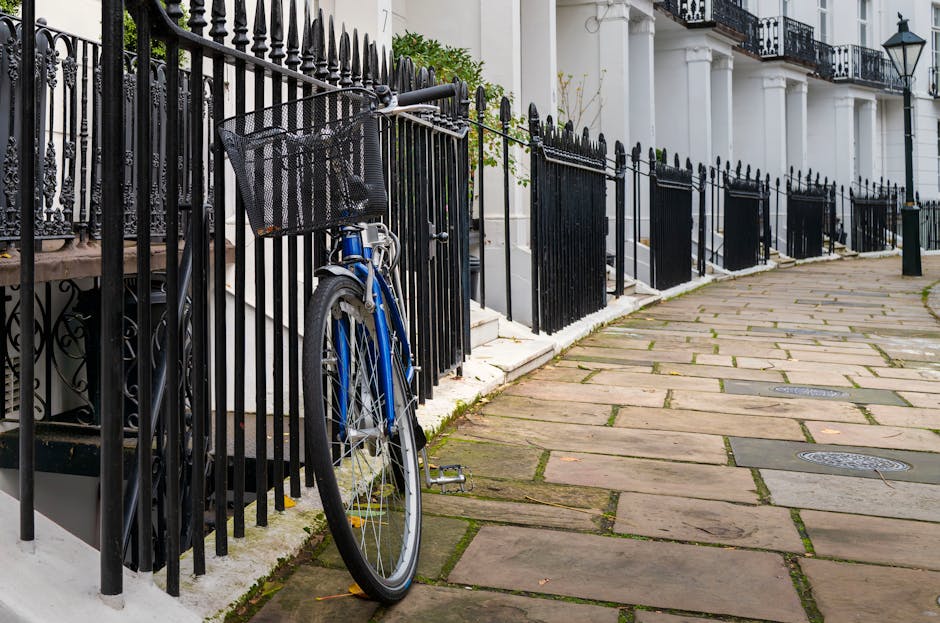
If you need a Grosvenor Crescent rubbish removal Belgravia access guide, you are probably dealing with more than just "getting rid of junk". In this part of Belgravia, access can shape everything: where the vehicle stops, how quickly items can be moved, whether parking is realistic, and how much fuss the whole job causes for residents, staff, or contractors. Truth be told, a straightforward clearance on paper can become awkward fast if the access plan is poor.
This guide breaks the process down in plain English. You will find what matters most on Grosvenor Crescent, how rubbish removal is usually organised, what to prepare before the team arrives, and which mistakes tend to slow things down. If you are arranging anything from a single bulky item to a larger waste clearance in Belgravia, the aim is the same: make the collection smoother, safer, and less disruptive. And yes, that matters even more on a road where access can be a bit of a puzzle some days.
Why Grosvenor Crescent rubbish removal Belgravia access guide Matters
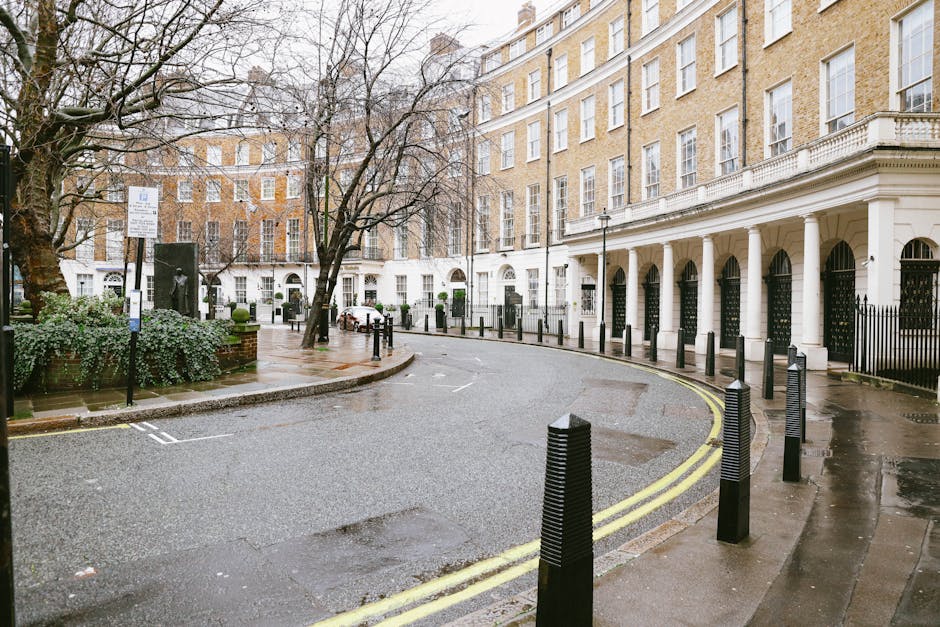
Grosvenor Crescent sits in a part of London where access is rarely simple for long. Roads can be narrow, parking is often controlled, and loading space may be limited by timing, traffic flow, or the exact position of a property entrance. For rubbish removal, those details affect almost everything.
Access is not just a logistics issue. It affects cost, speed, safety, and the risk of delays. If a crew cannot park close enough, they may need extra carrying distance. If there is no sensible place to wait, the vehicle may have to circle the block. If the item is heavy or awkward, that extra distance becomes a real problem. A wardrobe at street level is one thing; a wardrobe down a narrow internal staircase with no lift is another story entirely.
In Belgravia, especially around high-value residential streets, waste removal also needs to be discreet. No one wants bins blocking a doorway, furniture leaning in public view, or a van causing unnecessary disruption outside a terrace. The best access plans reduce noise, time on site, and neighbour complaints. Simple enough, but it is the difference between a job that feels organised and one that feels like chaos in a smart coat.
Expert summary: On Grosvenor Crescent, the best rubbish removal jobs are the ones planned around access first and collection second. Get the vehicle position, time window, item size, and carrying route right, and the rest usually falls into place.
If you are comparing service types, it can help to understand how broader clearance options work too. Our services overview gives a useful sense of the wider range, while rubbish collection in Belgravia is often the best fit for smaller, more direct jobs. For larger domestic clearances, house clearance in Belgravia may be more appropriate.
How Grosvenor Crescent rubbish removal Belgravia access guide Works
The process usually starts with a quick assessment of access. That sounds obvious, but it is where many issues are either solved early or left to become problems on collection day. The key questions are practical: Can a vehicle stop nearby? Is there a loading bay, permitted waiting area, or suitable kerbside position? How far is the walk from the item to the vehicle? Are there stairs, concierge checks, gates, or time restrictions?
Once the access picture is clear, the removal is scheduled with the likely route in mind. In some cases, a crew can collect from a front entrance with minimal fuss. In other cases, especially in mansion blocks or managed buildings, they may need to coordinate with porters, building managers, or residents' instructions. That coordination is worth doing properly. You will notice the difference straight away on the day.
The actual removal then follows a fairly simple rhythm: arrive, confirm access, move items carefully, load the vehicle, and ensure the waste is handled responsibly. If the collection includes mixed materials, the team may separate items for recycling or specialist disposal later. For example, a job involving an old sofa, a dismantled bed frame, and a broken table will often need a slightly different handling plan from a bagged household clear-out.
For readers who want a local comparison, the experience can be similar to collections described in our Eaton Square rubbish removal guide and the Elizabeth Street rubbish collection tips article. Different streets, same underlying principle: access planning saves time and trouble.
Key Benefits and Practical Advantages
Good access planning brings benefits that are easy to underestimate. The obvious one is speed. If everything is lined up, a collection can be completed far more efficiently. The less obvious one is calm. When a job is well organised, everyone seems to breathe a little easier, including the client. That might sound soft, but in real life it matters.
Here are the main advantages:
- Less disruption: fewer unnecessary trips, less time with a vehicle idling nearby, and less obstruction outside the property.
- Better safety: shorter carrying distances reduce the chance of slips, bumps, or strained lifting.
- Improved discretion: ideal for Belgravia homes and premises where presentation matters.
- More predictable pricing: access that is known in advance is easier to quote fairly.
- Better recycling outcomes: if items are sorted and handled correctly, more material can be directed away from general disposal.
There is also a practical trust benefit. When a client explains access clearly, the job usually starts on the right foot. When they do not, the crew may arrive to surprises: blocked driveways, locked gates, steep internal stairs, or a lift that is out of service. None of that is fatal, but it can make a simple pickup feel like moving day with extra paperwork.
For businesses, the gain is especially noticeable. An office or retail premises on or near Grosvenor Crescent may need collections timed around staff movement, customer flow, or concierge restrictions. If that sounds familiar, commercial waste removal in Belgravia is the natural fit, while office clearance in Belgravia may suit a larger workspace reshuffle.
Who This Is For and When It Makes Sense
This guide is useful if you are a homeowner, tenant, landlord, letting agent, building manager, facilities lead, or contractor working around Grosvenor Crescent. In other words, pretty much anyone who has to get waste out without making a scene. It also helps if you are new to the area and not yet familiar with the practical quirks of Belgravia streets.
It makes particular sense if you are dealing with one of these situations:
- an end-of-tenancy clear-out with bulky furniture
- an inherited property that needs a careful sort-out
- post-renovation debris from a light refit or decoration job
- a garden clean-up where bags, branches, and planters need moving
- appliance removal after a kitchen upgrade
- a loft, basement, or storage-space clear-out
Sometimes the need is as small as "we just need this gone by Friday". Fair enough. Other times it is a more complex project, like clearing a flat between sales viewings or preparing a property for new occupants. If you are in that position, a broader service such as house clearance in Belgravia or loft clearance in Belgravia may save time and keep everything better organised.
Belgravia also has a distinct residential character. If you are weighing the local context before making changes to a property, you might enjoy living in Belgravia local insights or the more general discover Belgravia guide. Small aside, but these are the sort of articles that help if you are trying to understand why access and discretion matter so much here.
Step-by-Step Guidance
If you want the process to run smoothly, follow this order. It is not complicated, just disciplined.
- Identify exactly what needs removing. Separate furniture, bags, appliances, builders' rubble, garden waste, and anything that may need special handling.
- Check the access route. Walk from the item location to the nearest feasible loading point. Note stairs, corners, door widths, lifts, and any security points.
- Confirm vehicle access. Think about where a van can stop without causing problems. Is there a loading bay? A legal waiting position? A place to pause without blocking traffic?
- Flag any time constraints. Building rules, concierge windows, neighbour sensitivity, and local traffic all matter.
- Prepare the items. If safe and practical, move loose contents out of furniture, bag smaller waste, and dismantle large items where possible.
- Tell the team about hazards. Include broken glass, sharp edges, damp materials, or difficult staircases. This is basic, but it matters.
- Agree the collection method. Confirm whether the team will remove from inside the property, from the frontage, or from a managed loading area.
- Plan disposal and recycling. Ask how the waste will be separated and where suitable material may be recycled or reused.
A good rule of thumb: if you would find the route awkward carrying a suitcase, the crew will likely find it awkward carrying a wardrobe. That is not a joke, although it does sound like one.
For properties that have mixed contents or a lot of clutter, waste can be handled under waste disposal in Belgravia or furniture removal in Belgravia depending on the load. If the job is specifically a domestic tidy-up with a lot of general debris, the Belgravia house clearance page is also relevant for the SW1X and SW1W boundary area.
Expert Tips for Better Results
The biggest tip is simple: do not leave the access check until collection day. Measure doors if you are unsure. Note whether the lift is operational. Tell the team if the entrance is shared with another property. A few minutes of preparation can save a lot of back-and-forth later.
Second, keep the route clear. Shoes in the hallway, a bicycle in the way, or a stack of delivery boxes can turn a tidy collection into a slow shuffle. In our experience, people often underestimate how much space is needed for one bulky item to turn a corner. It only takes one tight bend to turn confidence into mild panic.
Third, be realistic about timing. Early morning and late afternoon collections can be convenient, but traffic around central London can still bite. If the job is near other busy addresses, such as around Belgravia property purchases or smart investments in Belgravia real estate, there may be more movement in and out of buildings than you expect.
Fourth, separate special items in advance. White goods, old mattresses, broken furniture, and garden waste all have different handling considerations. If you place everything in one pile, the team can still help, but the job may take longer. Better to be a bit organised than to sort it all under pressure. Nobody enjoys that.
Finally, ask about sustainability. A responsible collection should aim to recover recyclable material where possible. You can read more on this in recycling and sustainability. It is a small point, maybe, but it often matters to Belgravia residents who prefer a cleaner, more thoughtful approach.
Common Mistakes to Avoid
The most common mistake is assuming the road outside will be fine "on the day". That is rarely the best plan. Even if parking seems possible, timing, temporary restrictions, or local activity can change the picture. Always prepare for a backup option.
Another mistake is forgetting internal access. People focus on the street and forget the staircase, lift, or rear passage. If the collection point is on the third floor and the lift is small, that is not a minor detail. It is the detail.
Other issues to avoid:
- not telling the crew about concierge rules or building security
- mixing general waste with recyclable items without thinking it through
- leaving hazardous or sharp material unwrapped
- booking too little time for larger jobs
- assuming every item can be moved the same way
White goods are a classic example. A fridge or washing machine sounds straightforward until you remember weight, bulk, awkward corners, and the need to keep the route safe. For those cases, white goods and appliance disposal in Belgravia is worth reviewing before the job starts.
And if you are dealing with renovation waste, do not treat it like household clutter. Builders' waste disposal in Belgravia is the better reference point because rubble, timber, plasterboard, and packaging need a different approach.
Tools, Resources and Recommendations
You do not need a pile of specialist equipment to get this right. Often, a notebook and a decent walk-through are enough. Still, a few practical tools make life easier:
- Measuring tape: useful for doors, hallways, lifts, and bulky items.
- Basic labels or tape: helps separate what stays, what goes, and what needs special handling.
- Mobile photos: handy for showing access points, stairs, or item condition in advance.
- Gloves and sturdy shoes: only if you are helping prepare items yourself.
- Building notes or access instructions: especially useful for managed properties.
For recommendations, start by matching the service to the load. General household waste, furniture, garden cuttings, and office contents are best handled by different service types. If you are trying to work through options, the most useful pages are usually furniture disposal in Belgravia, garden waste removal in Belgravia, and commercial waste removal in Belgravia.
If you are concerned about what happens after collection, you may also want to look at waste carrier licence and compliance and insurance and safety. Those pages matter because access issues are one thing; responsible handling after collection is another. Both deserve attention.
Law, Compliance, Standards, or Best Practice
Waste removal in the UK is not just about getting items away quickly. It also involves responsible handling, clear duty of care, and working with a carrier that follows proper rules. You do not need to memorise legislation to make a sensible choice, but you should expect the basics to be in place.
At a practical level, best practice means:
- using a properly authorised waste carrier
- keeping waste contained and secure during loading
- avoiding obstruction of public areas for longer than necessary
- handling special items with appropriate care
- sorting reusable or recyclable materials where feasible
For access specifically, the main best-practice idea is to avoid creating unnecessary risk. That means no unsafe lifting from poor positions, no blocking exits, and no improvising around steps or tight corners without considering the route first. Building managers and residents often appreciate calm, predictable behaviour more than anything flashy. Sensible is good. Sensible wins.
Documentation also matters. If you are arranging a commercial or multi-unit collection, keep a record of what was removed, when access was granted, and any building instructions that were followed. It is simple housekeeping, but it can save a headache later. If you are unsure how service terms and payment are handled, the relevant pages are terms and conditions and payment and security.
Options, Methods, or Comparison Table
Different access situations call for different removal methods. Here is a simple comparison to help you choose the right approach.
| Method | Best for | Access requirement | Pros | Watch-outs |
|---|---|---|---|---|
| Kerbside or frontage pickup | Bagged waste, smaller items, quick jobs | Vehicle can stop nearby | Fast and simple | Not ideal for bulky or heavy loads |
| Inside-property collection | Furniture, appliances, mixed household waste | Clear indoor route and safe lifting space | Convenient for the client | Needs more planning around stairs and lifts |
| Managed-building collection | Flats, concierge properties, shared entrances | Permission and timing coordination | Works well in smart residential blocks | Access rules can slow things down if not confirmed early |
| Scheduled commercial clearance | Offices, shops, and larger premises | Timed access and site contact | Efficient for larger volumes | May need staged removal |
If you are on Grosvenor Crescent and unsure which option fits, start with the access point, not the item. That usually tells you the rest. For some readers, a nearby collection route on the street may be enough. For others, especially those with internal corridors, stair cores, or lift restrictions, inside collection is the safer choice.
Case Study or Real-World Example
Imagine a resident in a Belgravia apartment needing to clear an old sofa, two armchairs, and a washing machine before decorators arrive. The building has a side entrance, a lift, and a concierge desk, but the lift is small and only available during certain hours. On paper, it sounds easy. In practice, it needs coordination.
The sensible approach would be to check the concierge window first, then confirm whether the sofa can be rotated through the hallway without damaging walls. If the washing machine is in a utility room with a tight doorway, that needs flagging too. Photos taken in daylight help. So does knowing whether the vehicle can wait nearby for a short loading period. Without that, the team may arrive and spend too much time making decisions that should have been made earlier.
In a similar job, the best outcome often comes from doing less, not more. Clear the route. Remove loose items. Keep residents informed. One person at the property while the collection happens is often enough. The result is quieter, faster, and honestly much less annoying for everybody involved.
That sort of planning also works for more specific jobs, like those covered in Elizabeth Street rubbish collection tips. Different street, same lesson: know the route before the van turns up.
Practical Checklist
Use this checklist before collection day. It is deliberately short and practical.
- Have I listed every item that needs removing?
- Do I know the safest route from the item to the vehicle?
- Have I checked door widths, stairs, and lift access?
- Do building rules or concierge hours affect the timing?
- Have I flagged anything heavy, sharp, wet, or fragile?
- Are recyclable items separated where practical?
- Is there a clear loading point or parking plan?
- Have I told the team about any temporary restrictions?
- Do I know whether the job is domestic, commercial, or builder-related?
- Have I reviewed the relevant service pages for the type of waste involved?
That may look basic, but basic is good here. Most problems come from missed details, not complicated ones. A quick pre-check often saves an awkward ten minutes on the street, which turns into half an hour if nobody is quite sure who can stand where. We have all seen that happen.
Conclusion
A good Grosvenor Crescent rubbish removal Belgravia access guide is really about planning the route as carefully as the clearance itself. When you think through the vehicle position, the internal path, the timing, and the type of waste, the whole job becomes easier to manage. It feels calmer, looks more professional, and usually costs less in effort and disruption.
If there is one thing to remember, it is this: access first, removal second. Once that order is right, everything else becomes easier to coordinate. And in a place like Belgravia, that little bit of order goes a long way.
Get a free quote today and see how much you can save.
When you are ready, use the checklist, gather a couple of photos, and take the guesswork out of the collection. It is one of those small preparations that pays off neatly. Quietly, even. And that is often the best kind of result.